
The U.S. Constitution, featuring profiles on Founding Fathers, a comprehensive collection of amendments, and a wealth of historical documents. Online since 1995.
-
Historical Context of the First Amendment The First Amendment, born from a wariness of tyrannical control, marks a deliberate effort by the Founding Fathers to guarantee an essential human right—free speech. Forged in the crucible of conflict and philosophical debate,…
-
US Bill of Rights Quiz
Understanding Key Amendments The Bill of Rights, the first ten amendments to the United States Constitution, established critical boundaries and preserved numerous freedoms. The First Amendment safeguards freedoms of speech, religion, press, assembly, and petition. It reflects the Founders' aim…
-

Unsung Founding Fathers
1. Roger Sherman: The Master of Compromise Roger Sherman distinguished himself as a critical figure at the Constitutional Convention. Known for his ability to forge unanimity among diverse opinions, Sherman devised the Connecticut Compromise, which resolved an impasse between small…
-
SCOTUS & Climate Policy
Major Questions Doctrine The Supreme Court's adoption of the Major Questions Doctrine represents a critical pivot in how federal agencies may regulate environmental and other significant policies. The doctrine necessitates clear and explicit congressional authorization for any regulatory actions that…
-
SCOTUS vs. Presidential Power
Historical Context of the 14th Amendment The 14th Amendment emerged from the aftermath of the American Civil War. Established in 1868, it aimed to redefine the nation's civil and legal landscape during the reintegration of Southern states into the Union.…
-
ERA Failure & Relevance
Historical Context and Initial Proposal of the ERA Alice Paul drafted the original Equal Rights Amendment in 1923, just three years after women secured the right to vote through the Nineteenth Amendment. Her goal was to ensure gender equality in…
-
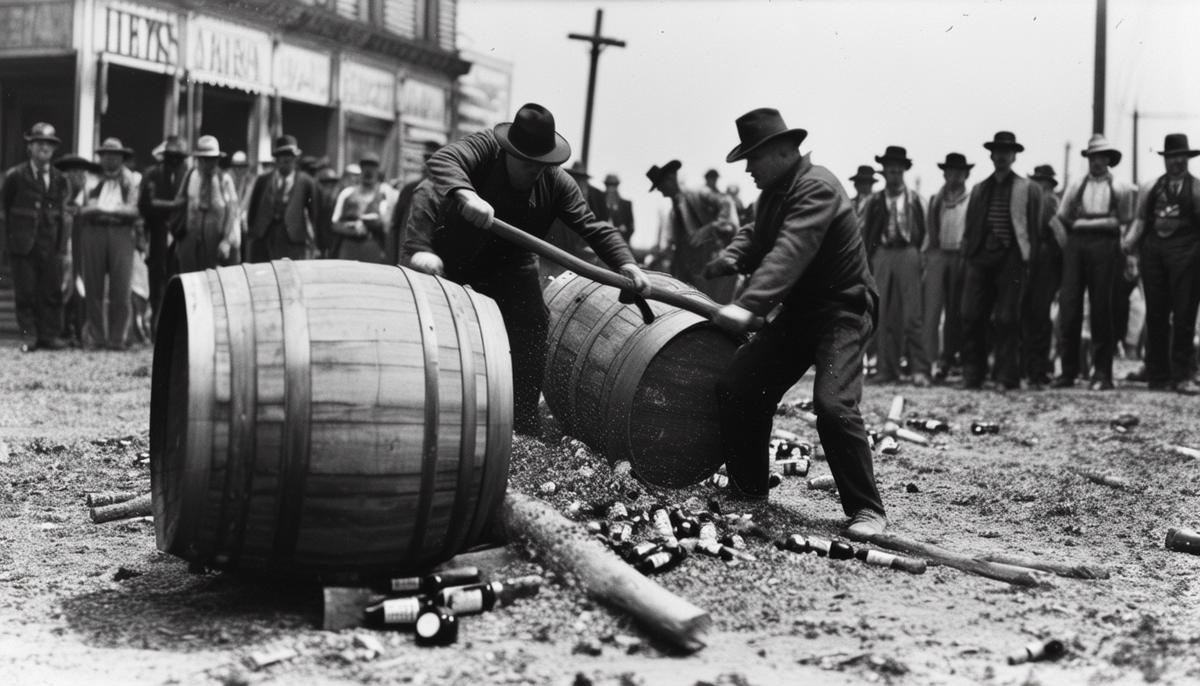
18th & 21st Amendments Evolution
Origins and Impact of the 18th Amendment The Eighteenth Amendment emerged from a century-long temperance crusade, rooted in social reform and moral aspiration, with ratification achieved on January 16, 1919. This legal act prohibited alcohol production, sale, and transportation. The…
-
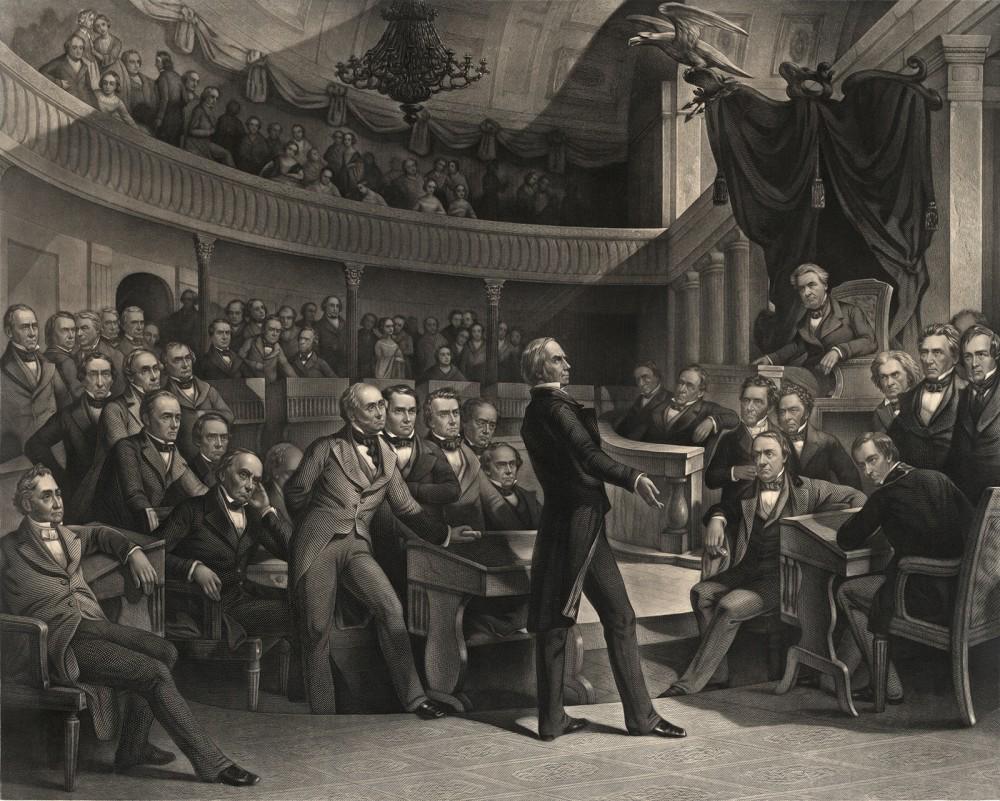
Founding Fathers & Gun Rights
Historical Context of the Second Amendment The early American colonists' concerns and experience with military power significantly shaped the drafting of the Second Amendment. The English Bill of Rights of 1689 had previously laid ground that protestants may bear arms…
-

14th Amendment & Birthright Citizenship
Historical Context of the 14th Amendment The period leading to the ratification of the 14th Amendment was marked by the Civil War and the Abolitionist Movement. This amendment, introduced in 1866 and ratified in 1868, was aimed primarily at securing…
-
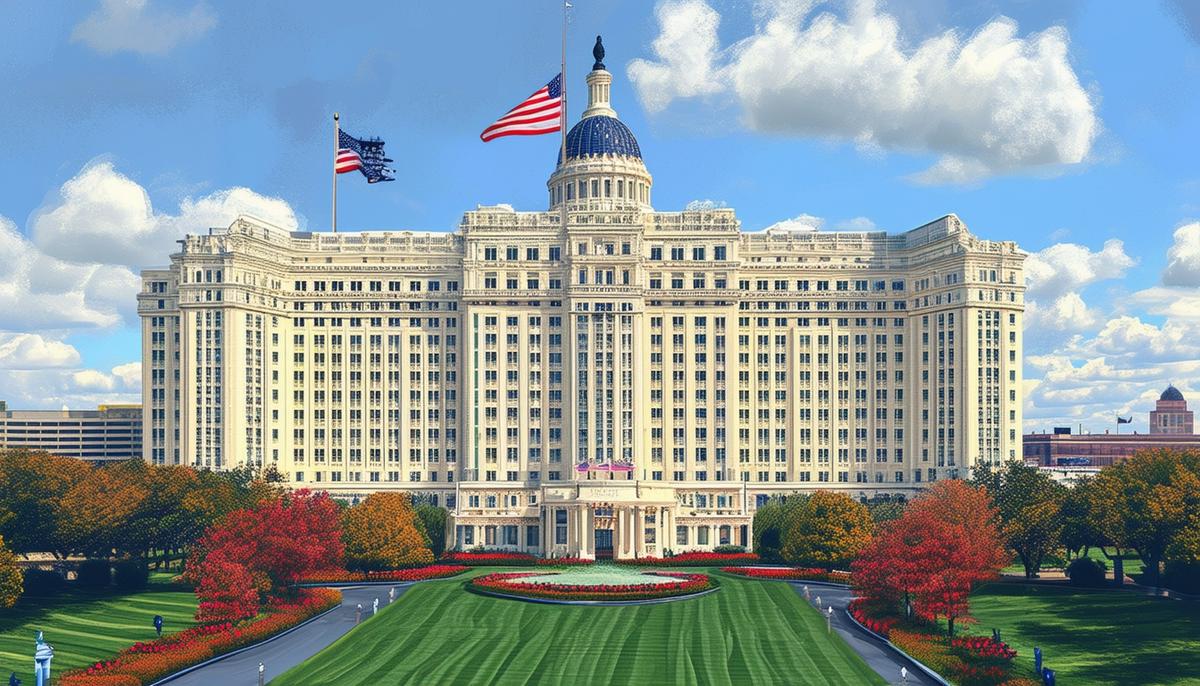
Emoluments Clause & Presidential Business
Understanding the Emoluments Clause The Emoluments Clause, articulated in the U.S. Constitution, serves as a safeguard designed to bar federal officeholders from receiving any gifts, offices, titles, or emoluments from foreign states without congressional consent. Embedded within this legal framework…
-
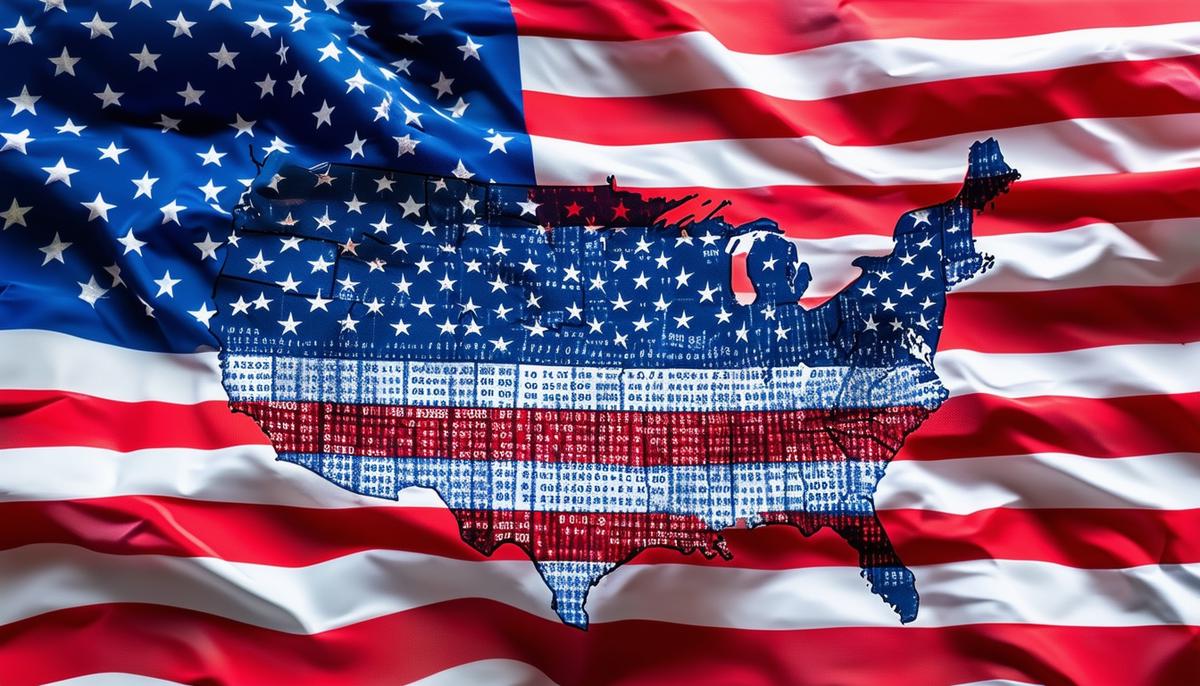
Electoral College Explained
Historical Development The Electoral College, as outlined in Article II, Section 1 of the U.S. Constitution, was established as a compromise between election of the President by Congress and election by popular vote. The founders aimed to form a buffer…
-
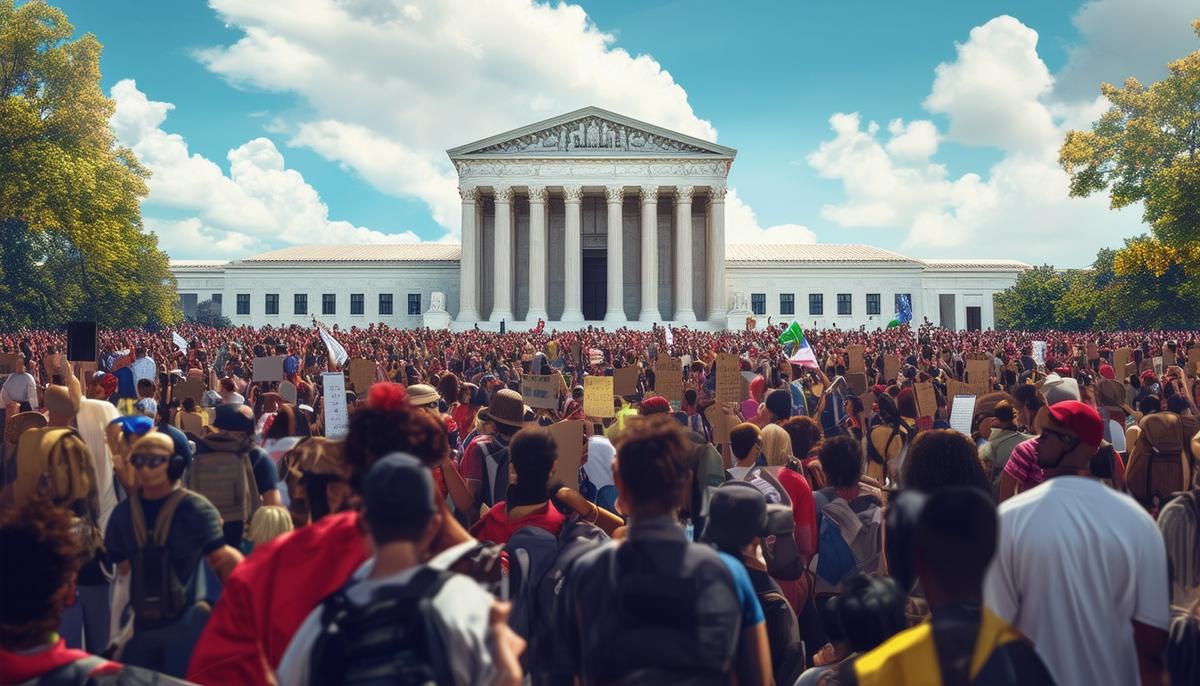
First Amendment Assembly Rights
Historical Evolution of Assembly Rights The right to assemble peacefully is deeply rooted in the historical legal landscape, anchoring its importance in democratic practices. Initially, the Magna Carta, a cornerstone of English constitutional law in 1215, indirectly supported the right…
-
First Amendment Speech Rights
Historical Evolution of Free Speech The First Amendment, a pillar of American democracy, enshrines freedom of speech among its key protections. This right has experienced an evolving interpretation since its inception in 1791. Initially, its boundaries were not clearly defined,…
-
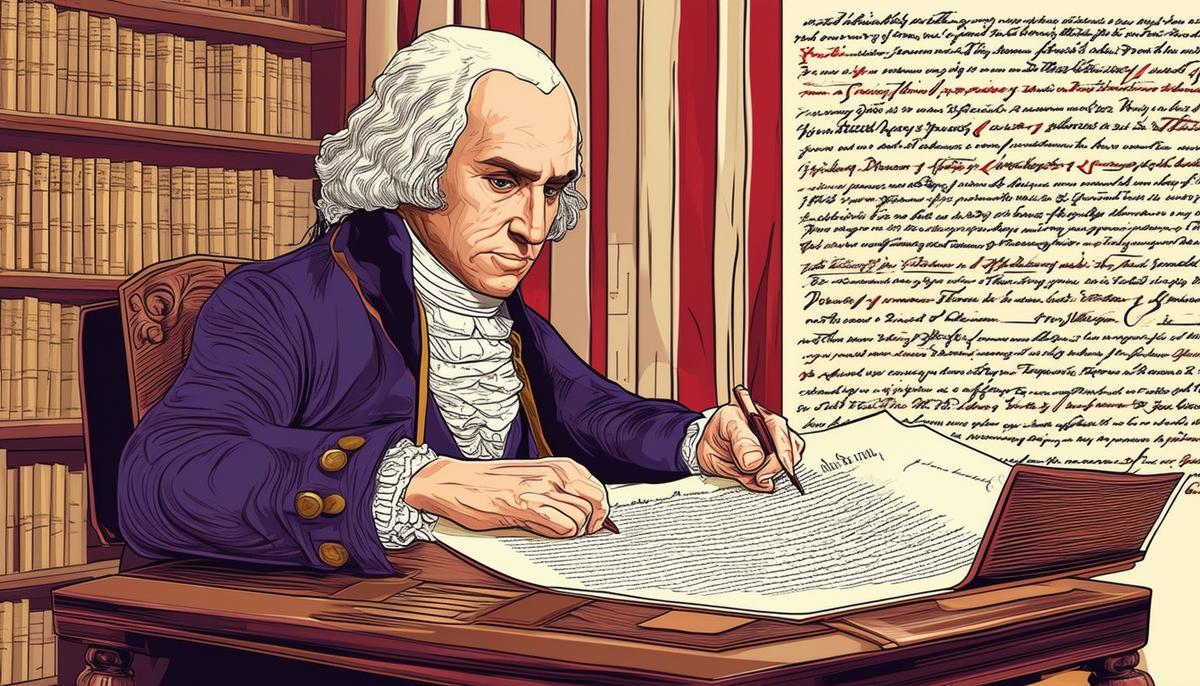
First Amendment Press Freedom
Historical Context of the First Amendment The First Amendment, influenced by the philosophical ideals of the Enlightenment, reflects the passionate debates that shaped the American republic. Figures like Thomas Jefferson and James Madison, inspired by Enlightenment thinkers such as John…
-

Presidential Absolute Immunity
What is presidential absolute immunity? Presidential absolute immunity shields a sitting president from civil lawsuits stemming from actions within the "outer perimeter" of official duties. Established in notable cases such as Nixon v. Fitzgerald, the doctrine finds its roots in…
-

Top John Adams Quotes
1. Moral Authority and Power John Adams once underscored the gravity of moral authority in governance, stating, Because power corrupts, society's demands for moral authority and character increase as the importance of the position increases. This assertion highlights the essential…
-
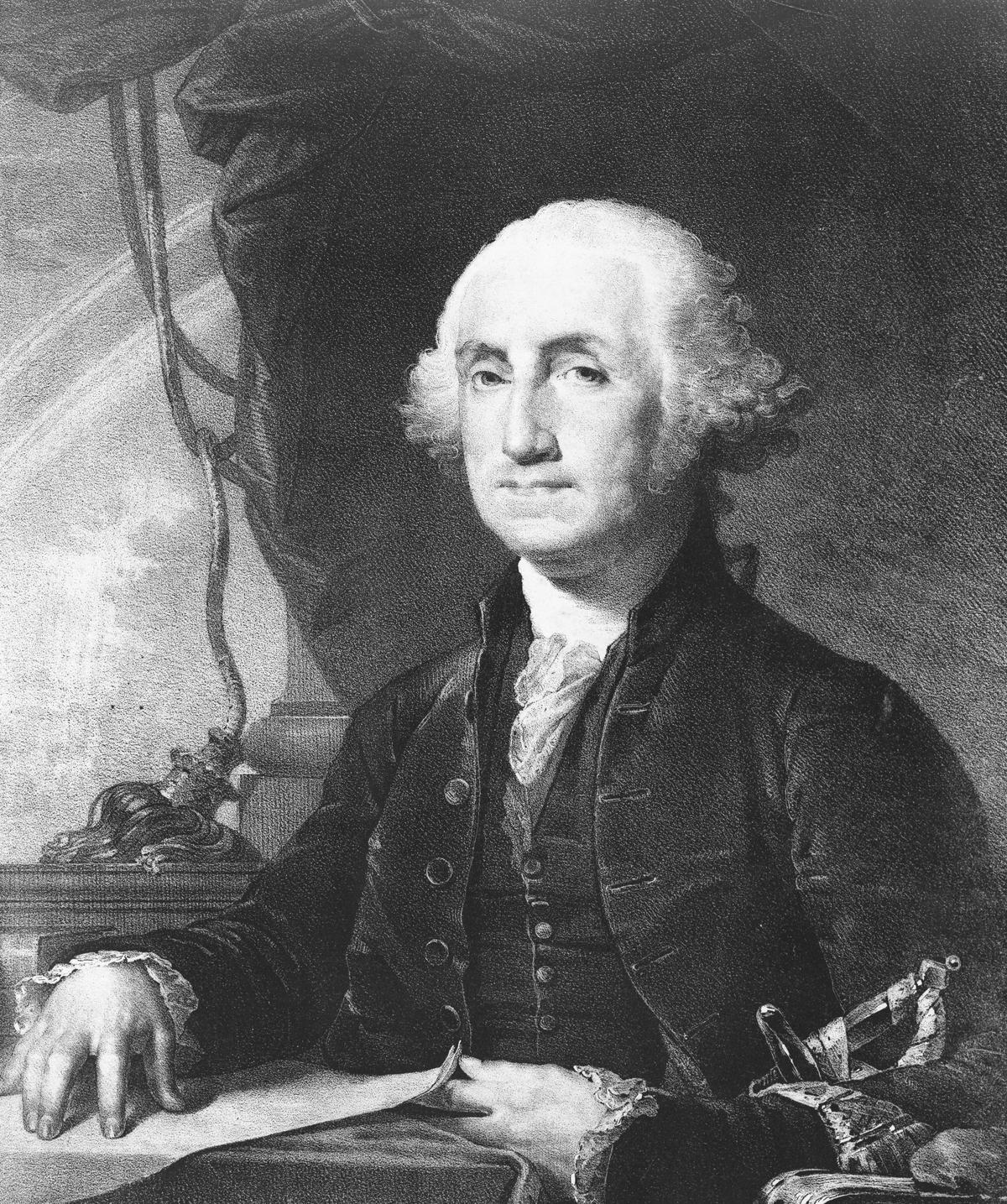
Top 10 George Washington Quotes
1. Honesty as Policy "I hold the maxim no less applicable to public than to private affairs, that honesty is the best policy." — George Washington This quote captures George Washington's advocacy for truthfulness in all aspects of life. Upholding…
-
US Constitution FAQs
What is the US Constitution? The U.S. Constitution is the supreme law of the United States, establishing a framework for governance and delineating the structure, powers, and limitations of the federal government. It divides power among the legislative, executive, and…
-
First Amendment & Religion
Understanding the Establishment Clause The Establishment Clause of the First Amendment to the U.S. Constitution states, “Congress shall make no law respecting an establishment of religion,” which primarily signifies a prohibition against the government establishing a state-backed religion or showing…
-
First Amendment Analysis
Understanding the First Amendment The First Amendment articulates foundational freedoms — speech, religion, press, assembly, and petition. Each has played a pivotal role in establishing a society that values democracy and civil liberties. The drafting and ratification of the First…
-
US Constitution Checks & Balances
Historical Genesis of Checks and Balances The concept of checks and balances can trace its earliest known philosophical roots to Polybius in ancient Rome, who articulated the principle of "anacyclosis" which effectively presaged contemporary ideas of balance in political governance…
-
19th Amendment History
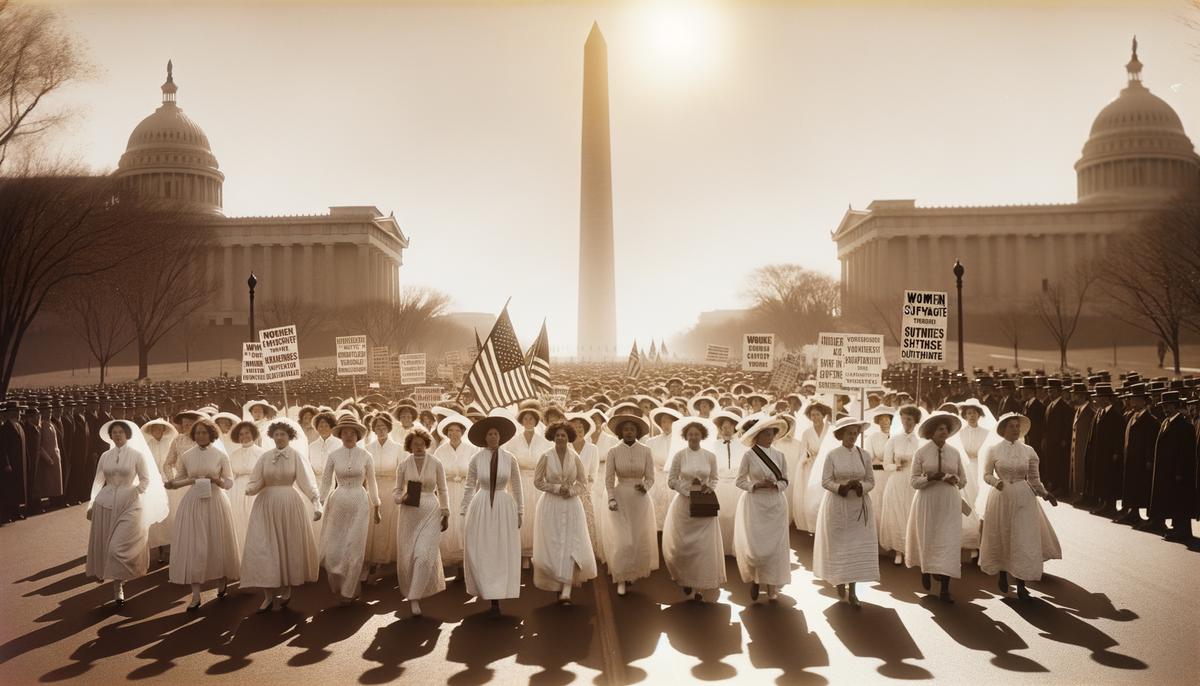
Origins of the 19th Amendment The Seneca Falls Convention of 1848 marked the beginning of the formal women's suffrage movement in the United States. The convention, held in Seneca Falls, New York, brought together over three hundred people, including Elizabeth…
-
Charles Carroll Childhood
Family Background and Early Life Born in 1737, Charles Carroll entered a world marked by religious and economic privilege that was rare in the American colonies. His parents, Charles Carroll Sr. and Elizabeth Brooke, belonged to a distinguished Catholic family…
-
Richard Henry Lee Childhood
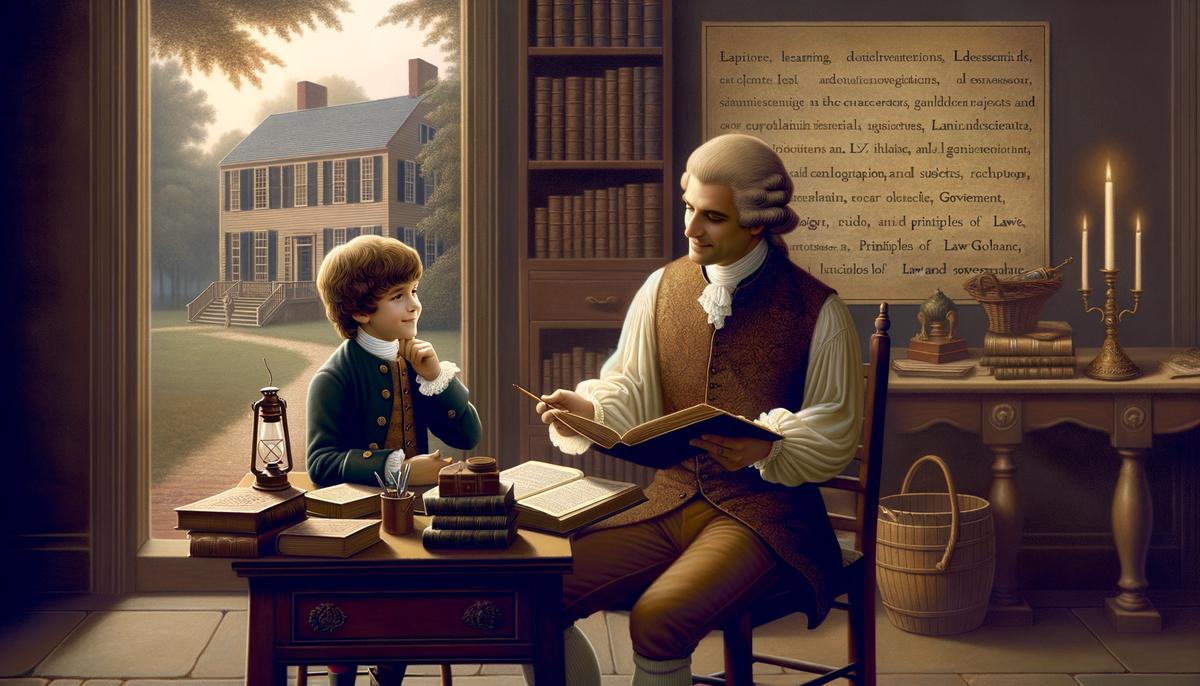
Family Background Richard Henry Lee's upbringing was deeply influenced by his prominent family in the colony of Virginia. The Lees of Stratford had established themselves as a significant political force, holding vast tracts of land and enjoying considerable economic power.…
-
Rufus King Childhood
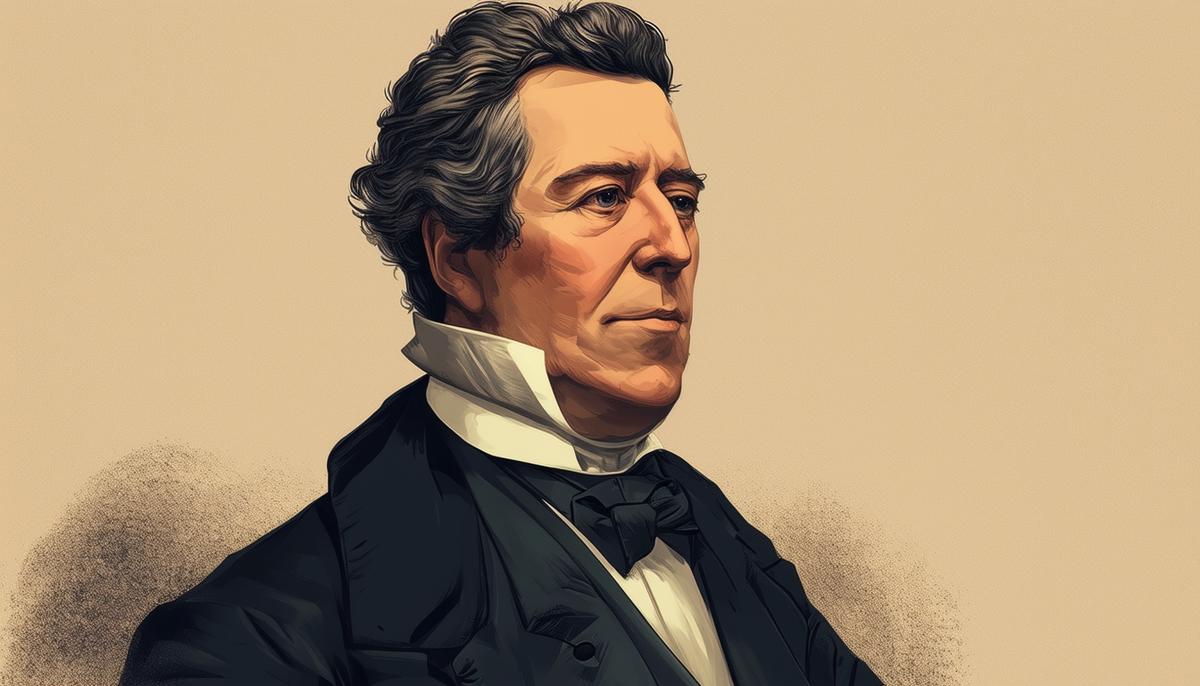
Early Life and Family Background Rufus King was born in 1755 in Scarborough, Massachusetts, which is now Maine. His upbringing was steeped in colonial New England's mercantile and military culture, a factor shaping his views on governance and individual rights.…
-
Unknown US Constitution Facts
1. The Living Document The Constitution has evolved significantly due to Supreme Court decisions and legal interpretations. These alterations extend beyond the familiar 27 amendments, showcasing how legal minds have shaped its application through reinterpretation in response to changing societal…
-
John Marshall Childhood
Early Life in Fauquier County John Marshall was born on September 24, 1755, in a log cabin on the Virginia frontier. As the oldest of 15 children, he faced the challenges of frontier life, including: Despite these hurdles, John's father,…
-

Benjamin Franklin Childhood
Early Life and Education Benjamin Franklin was born in colonial Boston on January 17, 1706. His father, Josiah Franklin, was a candlemaker and soap boiler. Despite the family's modest means, Benjamin had a thirst for knowledge from a young age.…
-
Thomas Jefferson Childhood
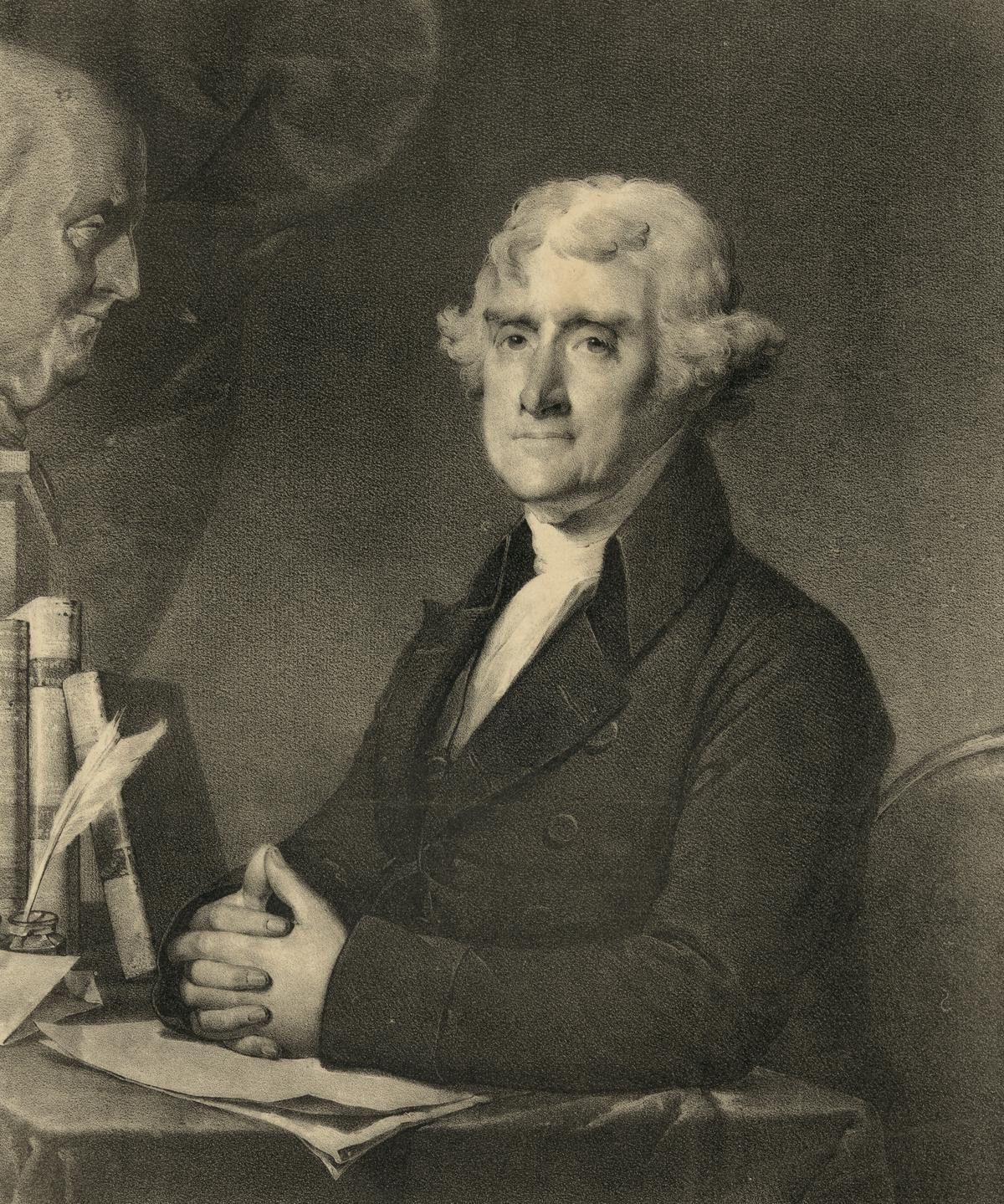
Early Life and Family Background Thomas Jefferson was born on April 13, 1743, at the Shadwell plantation in Virginia. His father, Peter Jefferson, was a planter and surveyor who had amassed around 5,000 acres of land by the time of…
-
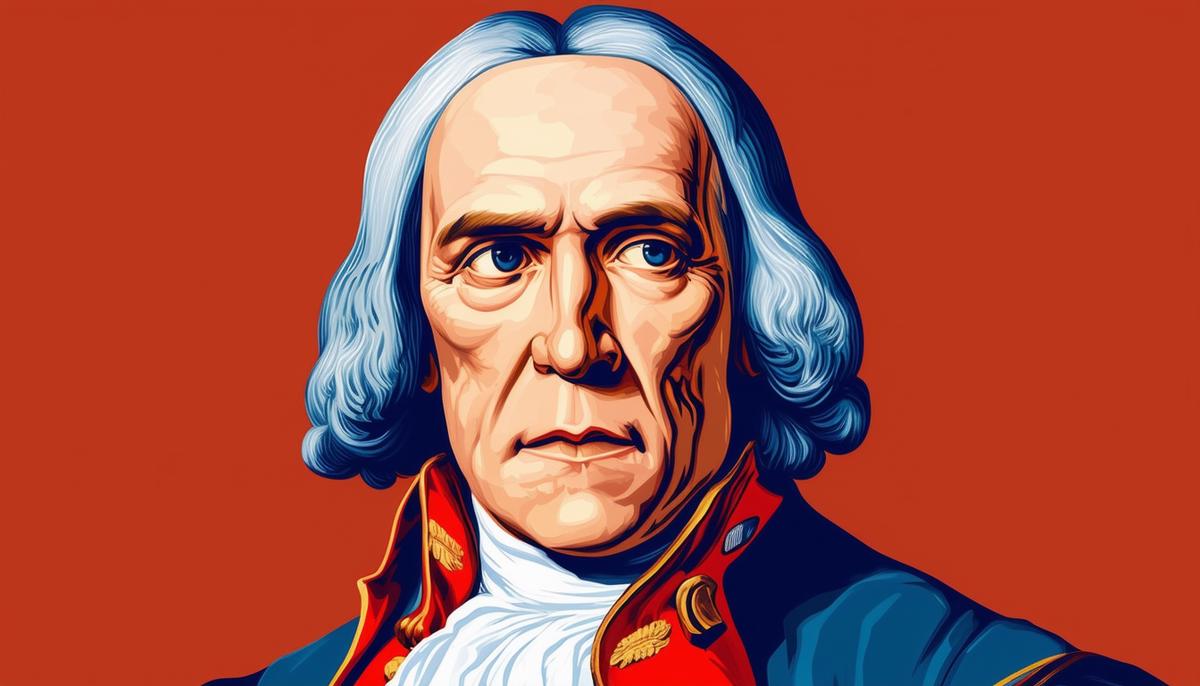
Samuel Adams Childhood
Family Background and Early Influences Samuel Adams was born into a world brimming with rigorous ethical standards and political fervor, drawn from both his Puritan heritage and his family's influential presence in Boston's governance. His father, Samuel Adams Sr., a…
-
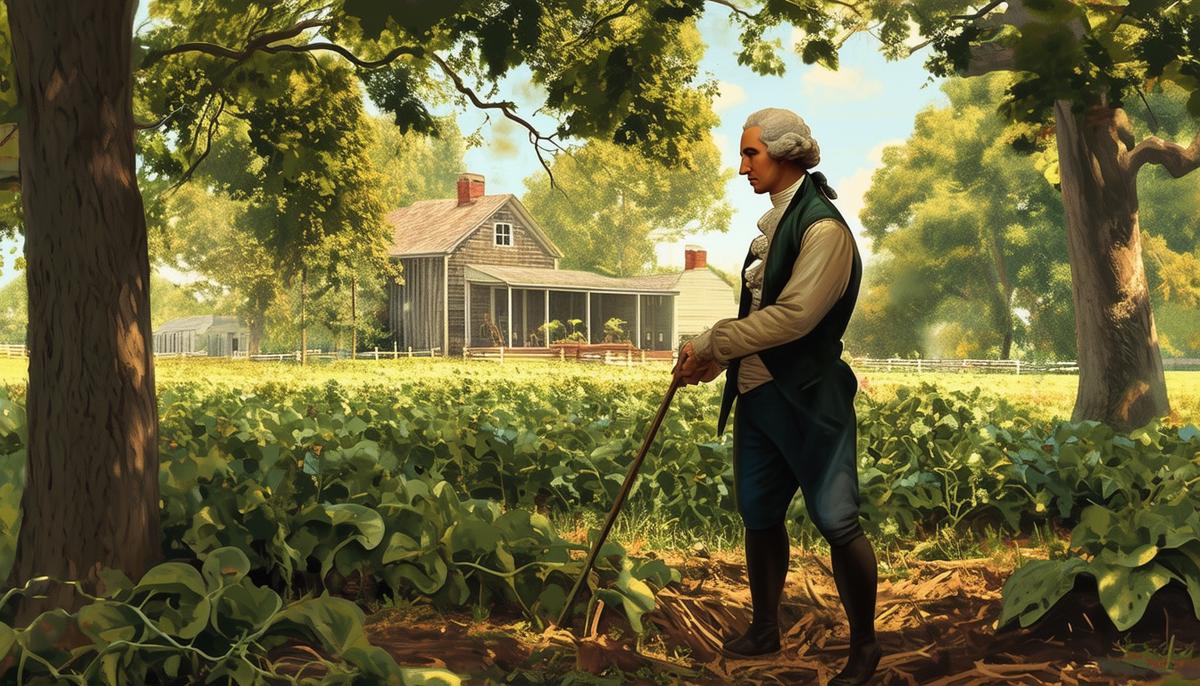
George Washington Childhood
Early Life and Family Dynamics George Washington was born into the moderately prosperous Washington family in 1732 in Virginia. His father, Augustine Washington, was a prominent figure who owned several farms and contributed significantly to the social and economic standing…
-
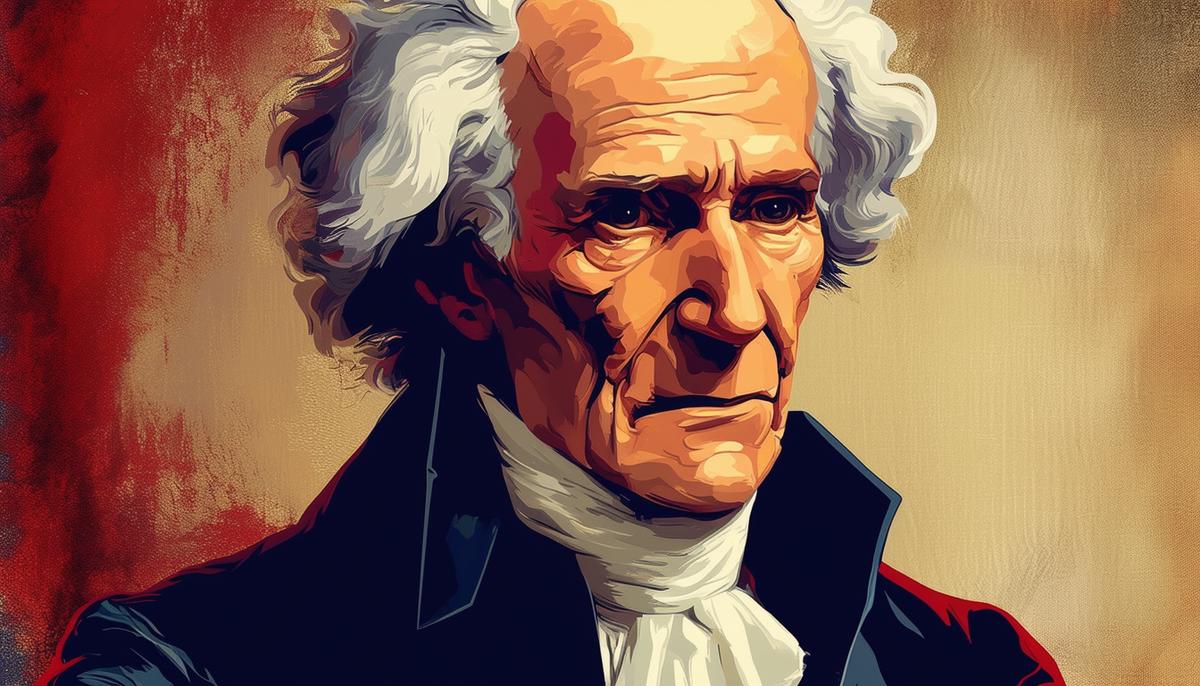
Elbridge Gerry Biography
Early Life and Education Elbridge Gerry was born on July 17, 1744, in Marblehead, Massachusetts, into a wealthy merchant family. His father, Thomas Gerry, was a successful merchant-shipper and former sea captain. Gerry attended Harvard College, graduating in 1762. Harvard's…
-
James Madison Childhood
Early Life and Family Background James Madison was born in Orange County, Virginia, into a family that owned a large plantation and over a hundred slaves. His father, James Madison Sr., faced the moral and economic challenges of slavery, while…
-
Robert Livingston Biography
Early Life and Education Robert R. Livingston was born on November 27, 1746, in New York City, into the influential Livingston family, notable landholders in the Hudson Valley. He graduated from King's College (now Columbia University) in 1765 and further…
-
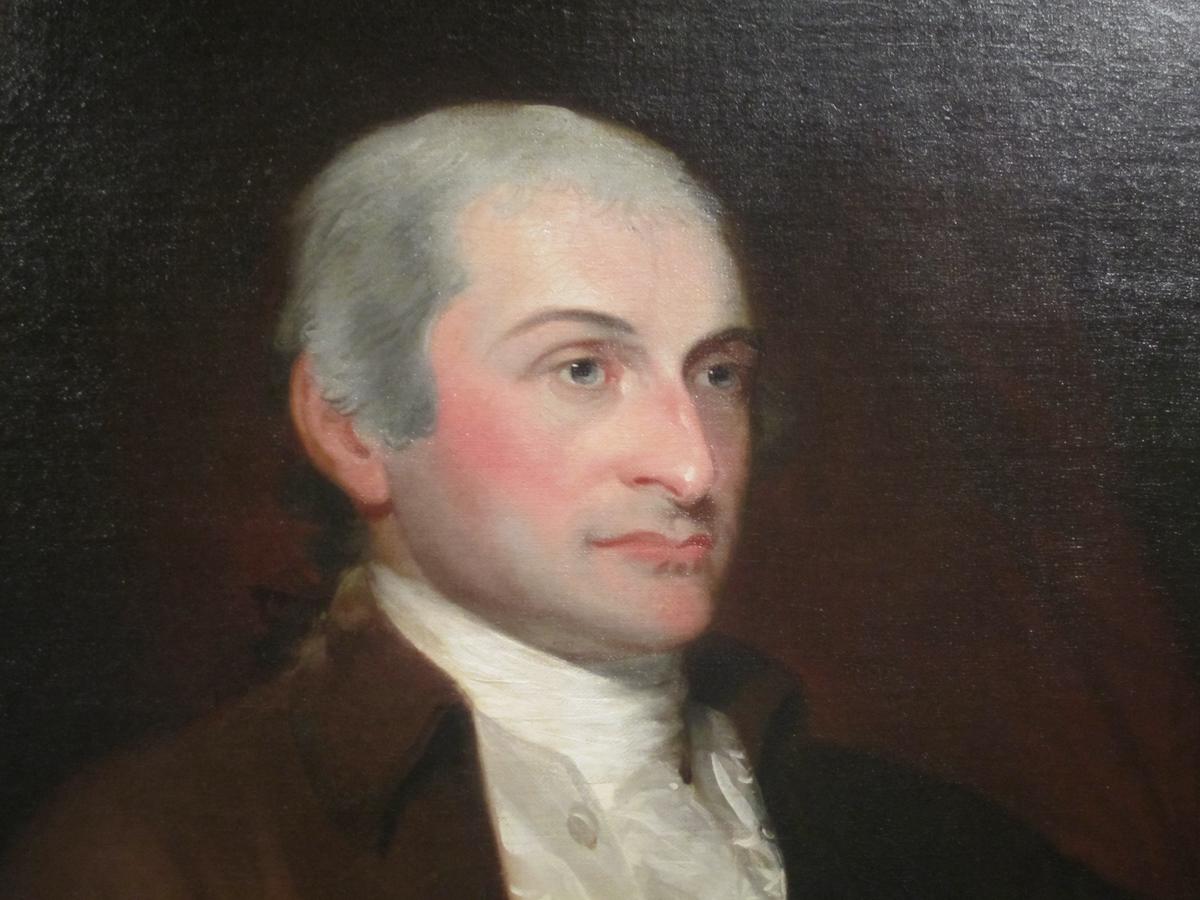
John Jay Childhood
Family Background and Early Influences John Jay's grandfather, Augustus Jay, migrated to America from France in the 1680s to escape religious persecution. As Huguenots, the Jay family were advocates for religious liberty, a principle that resonated deeply with John. His…
-
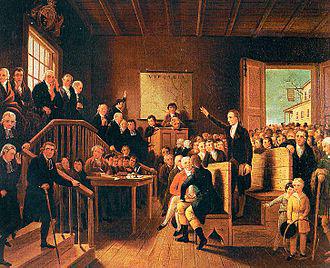
Patrick Henry Childhood
Family Background and Education Patrick Henry's formative years were deeply influenced by his family's emphasis on education and spiritual values. Born on May 29, 1736, in Hanover County, Virginia, Patrick was the second of nine children. His father, John Henry,…
-
Gouverneur Morris Biography
Early Life and Education Gouverneur Morris was born on January 31, 1752, in New York City to a wealthy family. His father had extensive economic and political engagements throughout the neighboring colonies, emphasizing the significant role family lineage played in…
-

James Monroe Biography
Early Life and Revolutionary War Service James Monroe was born on April 28, 1758, in Westmoreland County, Virginia. His father, Spence Monroe, joined the Northern Neck Farmers protest against the Stamp Act in 1766.1 Monroe enrolled in Westmoreland County's school…
-
Thomas Paine Biography
Early Life and Emigration to America Thomas Paine was born on January 29, 1737, in Thetford, Norfolk, England. His early life was marked by hardship and minimal formal education, attending school only until the age of 13. His father, a…
-
Thomas Jefferson Biography
Early Life and Education Thomas Jefferson, born on April 13, 1743, in Shadwell, Virginia, grew up on a plantation owned by his father, Peter Jefferson, a successful planter and surveyor. At the age of nine, Jefferson began his formal schooling,…
-
Elbridge Gerry Childhood
Early Life and Family Background Elbridge Gerry was born on July 17, 1744, in Marblehead, Massachusetts, a thriving seaport town. His father, Thomas Gerry, was a merchant who had migrated from England in the early 1730s, and his mother, Elizabeth…
-
Robert Livingston Childhood
Family Background and Early Life Robert R. Livingston was born on November 27, 1746, into a prominent New York family. His father, Judge Robert Livingston, and his mother, Margaret Beekman Livingston, resided at their family seat, Clermont, along the Hudson…
-
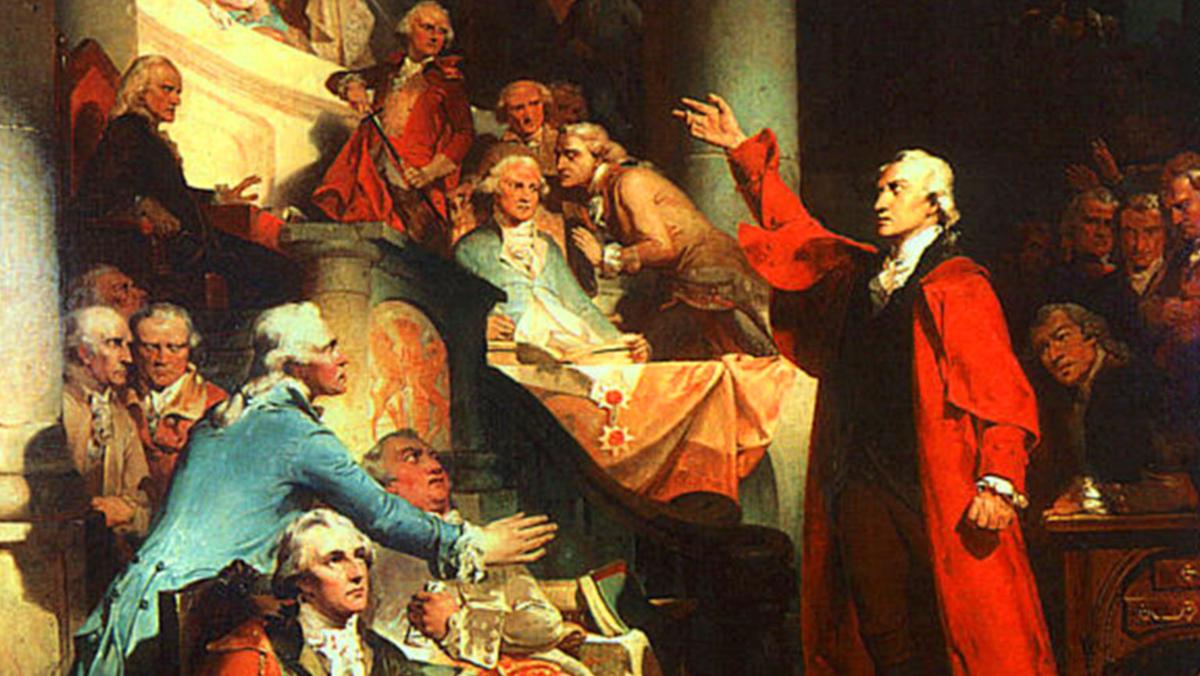
Patrick Henry Biography
Early Life and Education Patrick Henry was born on May 29, 1736, at Studley, his family's farm in Hanover County, Virginia. His father, John Henry, was a planter, surveyor, and justice of the Hanover County Court. His mother, Sarah Winston…
-
Roger Sherman Biography
Early Life and Career Beginnings Roger Sherman was born in Newton, Massachusetts, on April 19, 1721, into a modest family where his father William was a farmer and shoemaker. His early life was shaped by practical skills as he learned…
-
Alexander Hamilton Bio
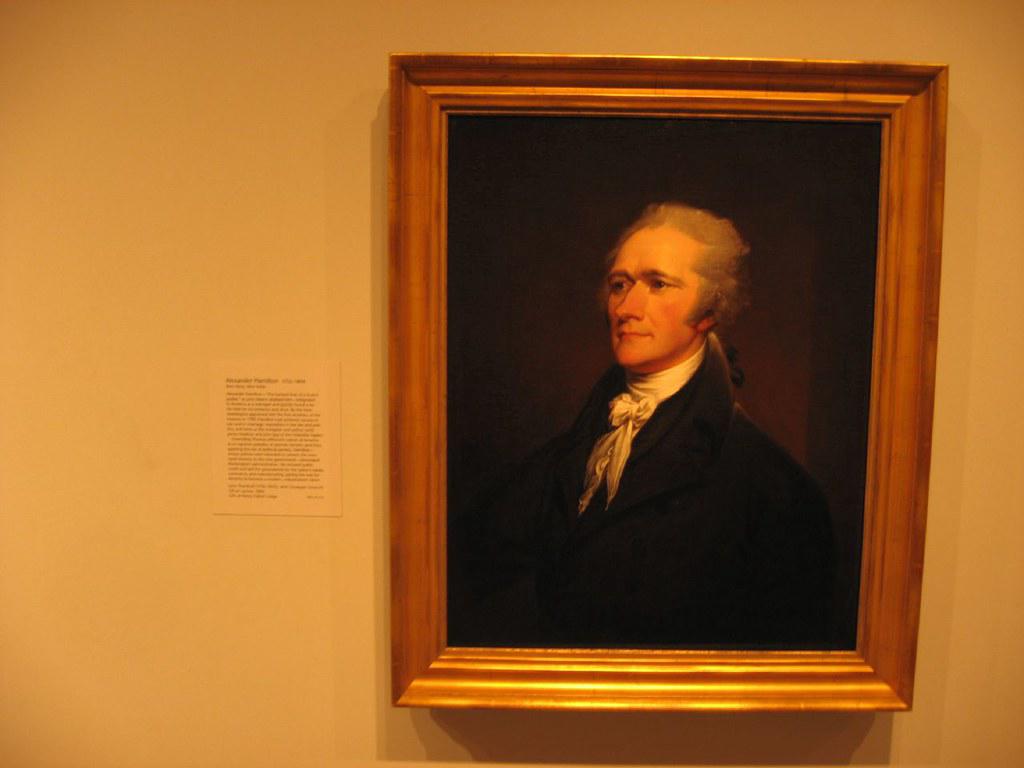
Early Life and Immigration Born on January 11, in either 1755 or 1757 on the small Caribbean island of Nevis, Alexander Hamilton's early life was marked by hardship. His parents, Rachel Faucette and James Hamilton, were not married, and his…
-

Samuel Adams Biography
Early Life and Influences Samuel Adams was born into a family well-acquainted with the dynamics of political unrest. His father, Deacon Adams, was an active participant in local politics, including the contentious Land Bank initiative of the 1730s. The Land…
-
John Jay Biography
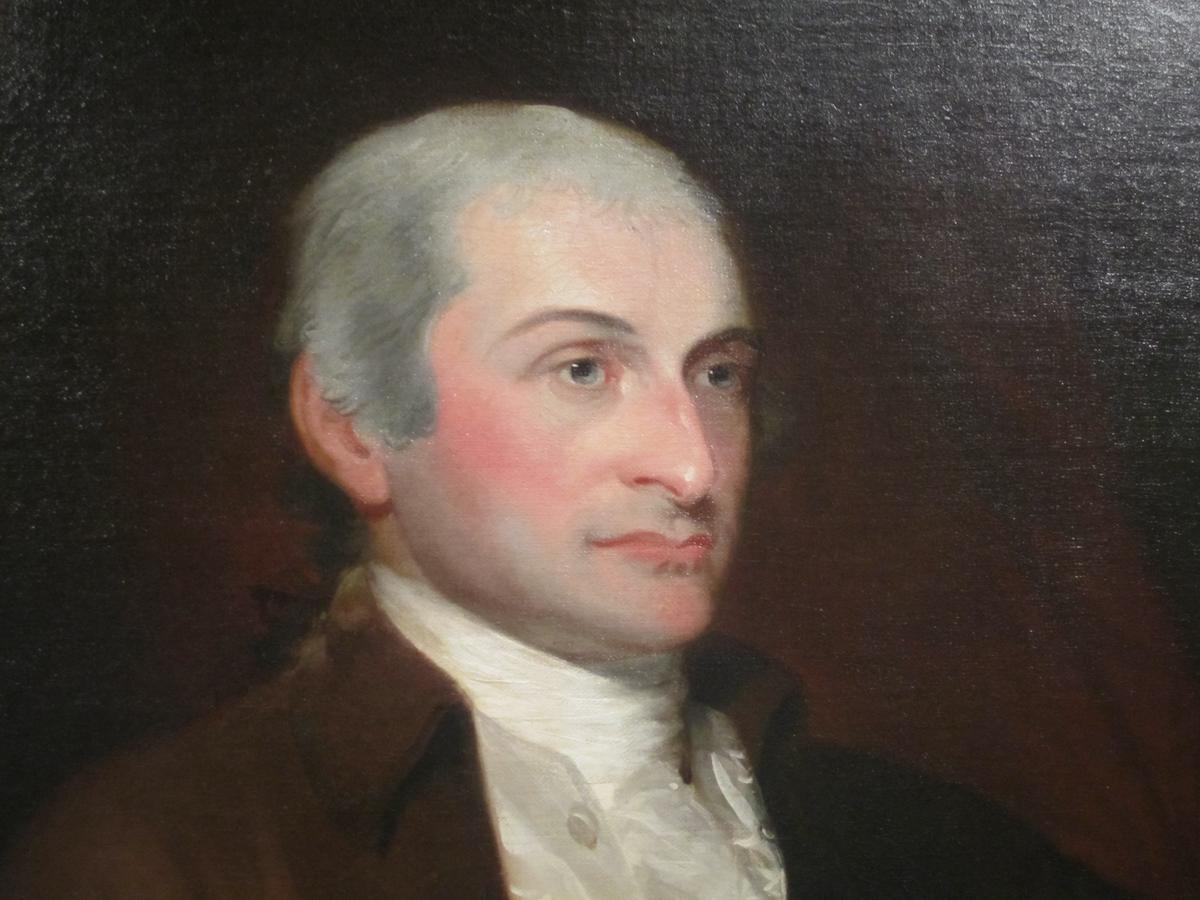
Early Life and Education John Jay was born on December 12, 1745, in New York City to a prosperous merchant family of French Huguenot roots. He received his early education from private tutors and entered King's College (later renamed Columbia…
-
John Hancock Biography
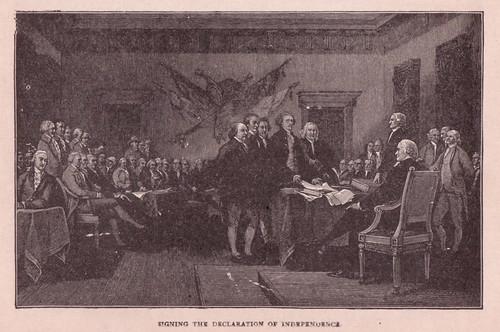
Early Life and Inheritance John Hancock was born on January 23, 1737, in Braintree, Massachusetts. After the death of his father, young John moved in with his uncle Thomas Hancock, a prosperous merchant in Boston. Under the guidance of his…
-
James Madison Biography
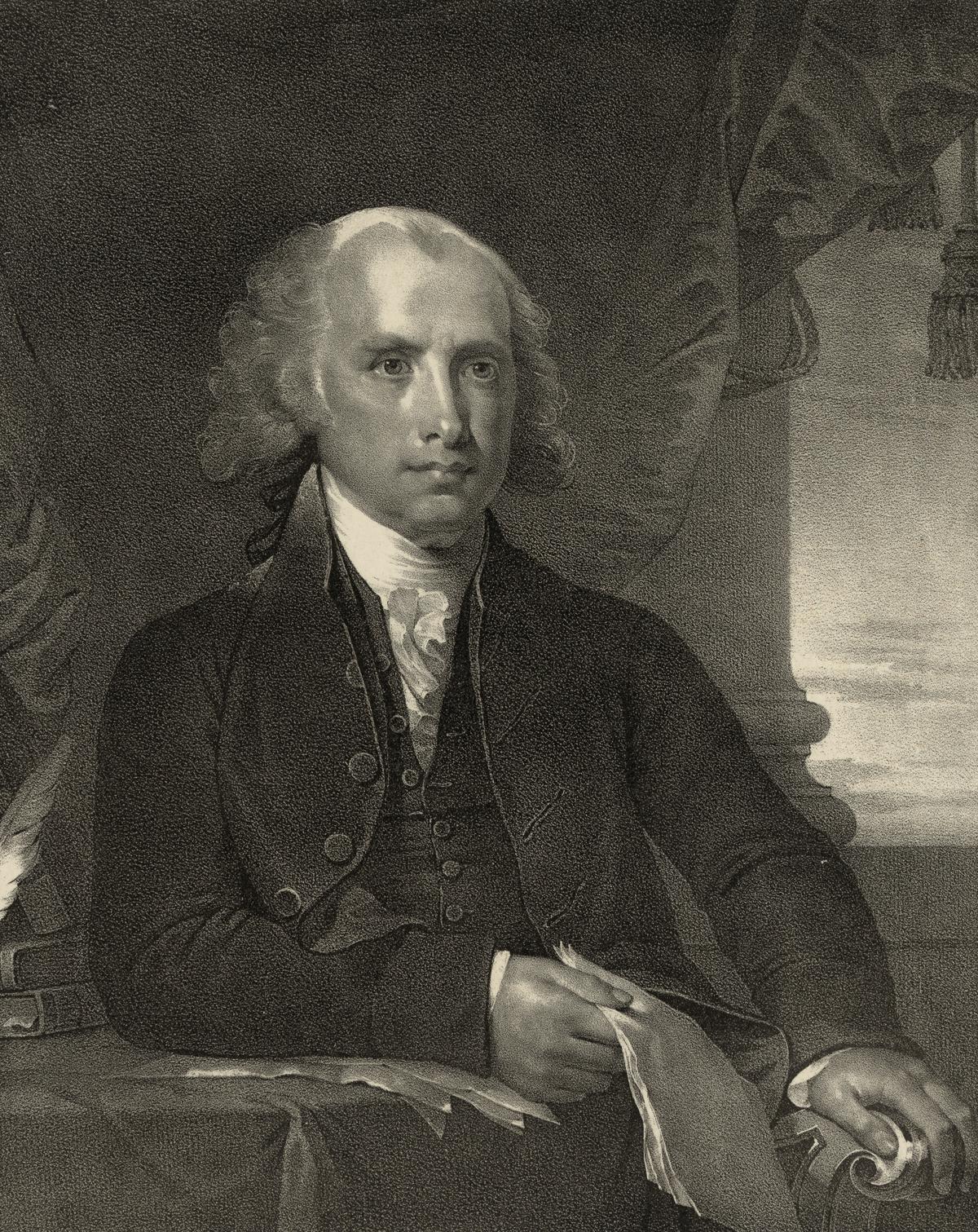
Early Life and Education James Madison was born into a prosperous Virginia family on March 16, 1751, at Belle Grove plantation. His upbringing afforded him educational opportunities that many of his contemporaries lacked. From the age of 11, under private…
-
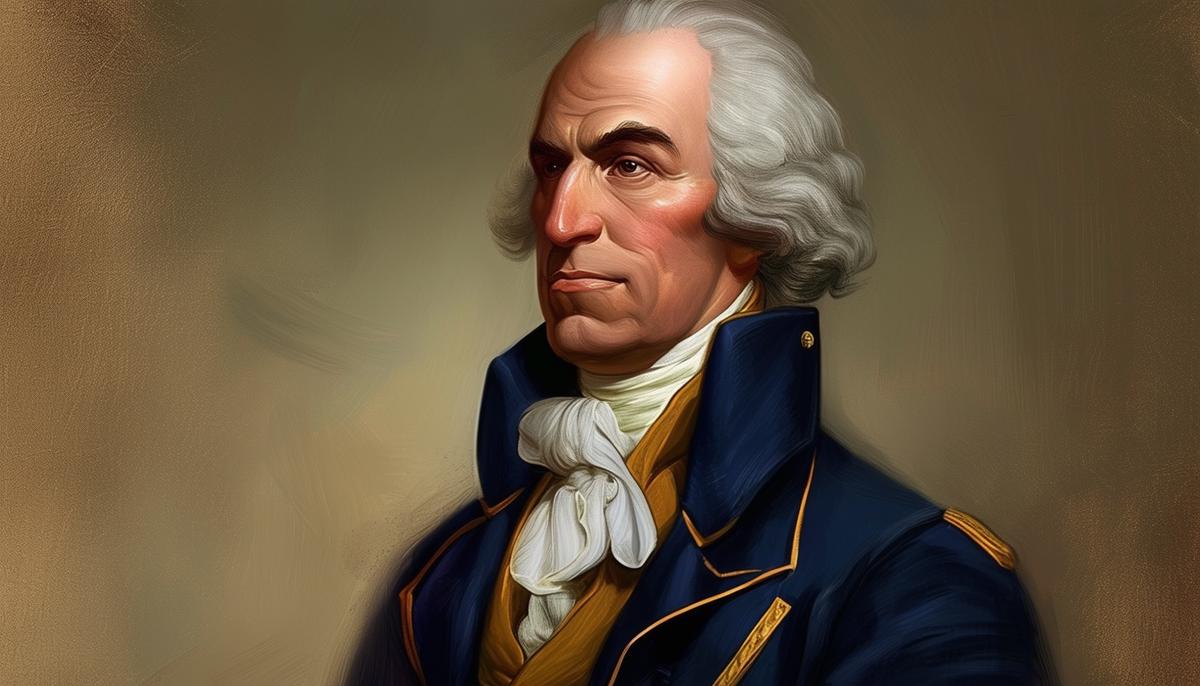
John Hancock Childhood
Early Life and Family Background John Hancock was born on January 23, 1737, in Braintree, Massachusetts. His father died when he was young, and John moved in with his wealthy uncle and aunt, Thomas and Lydia Hancock, in Boston. Thomas…
-
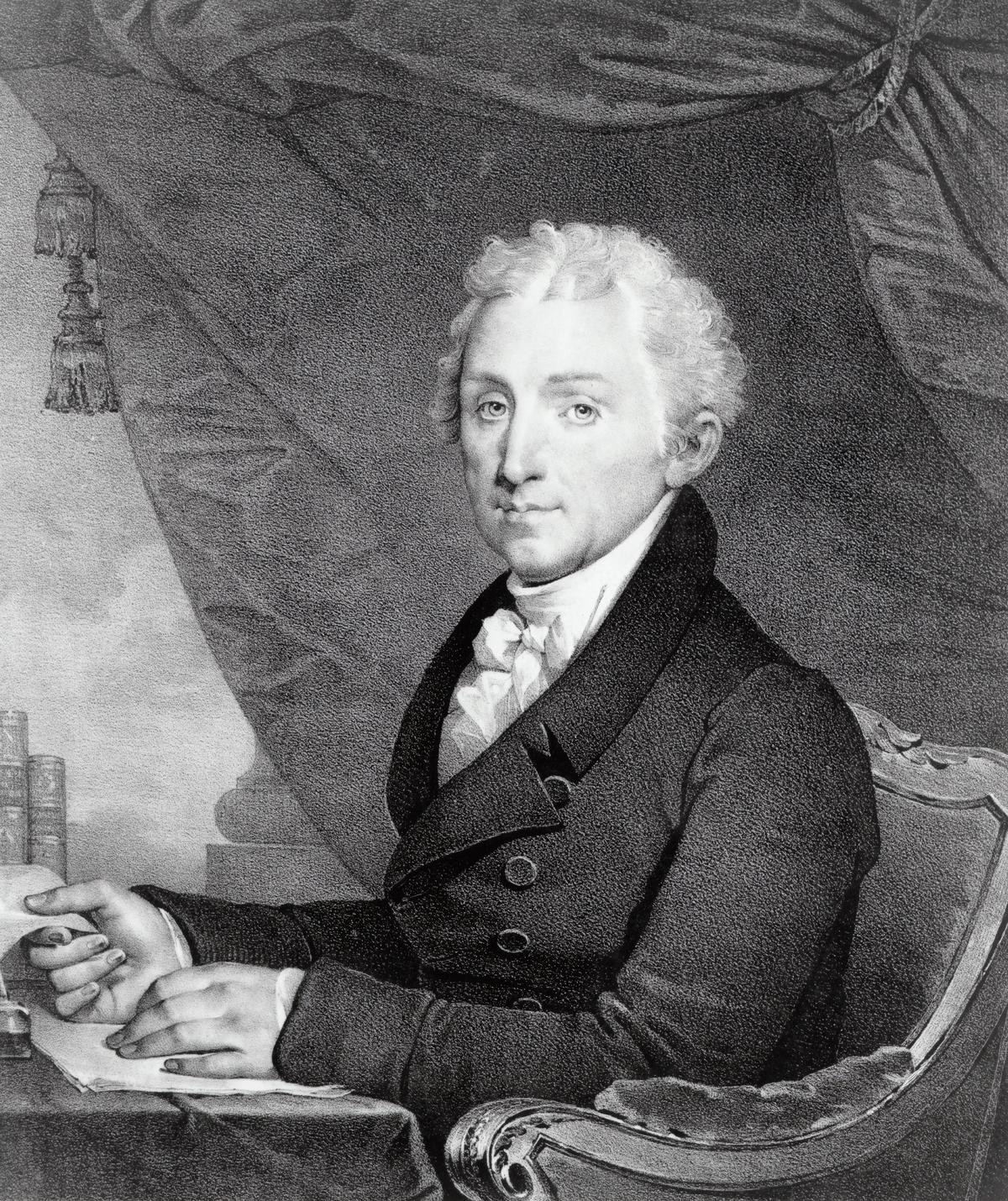
James Monroe Childhood
Family Background and Early Life James Monroe was born into a planter family in 18th-century Virginia. His father, Spence Monroe, was of Scottish descent, while his mother, Elizabeth Jones Monroe, brought Welsh heritage to the family. Monroe was raised on…
-
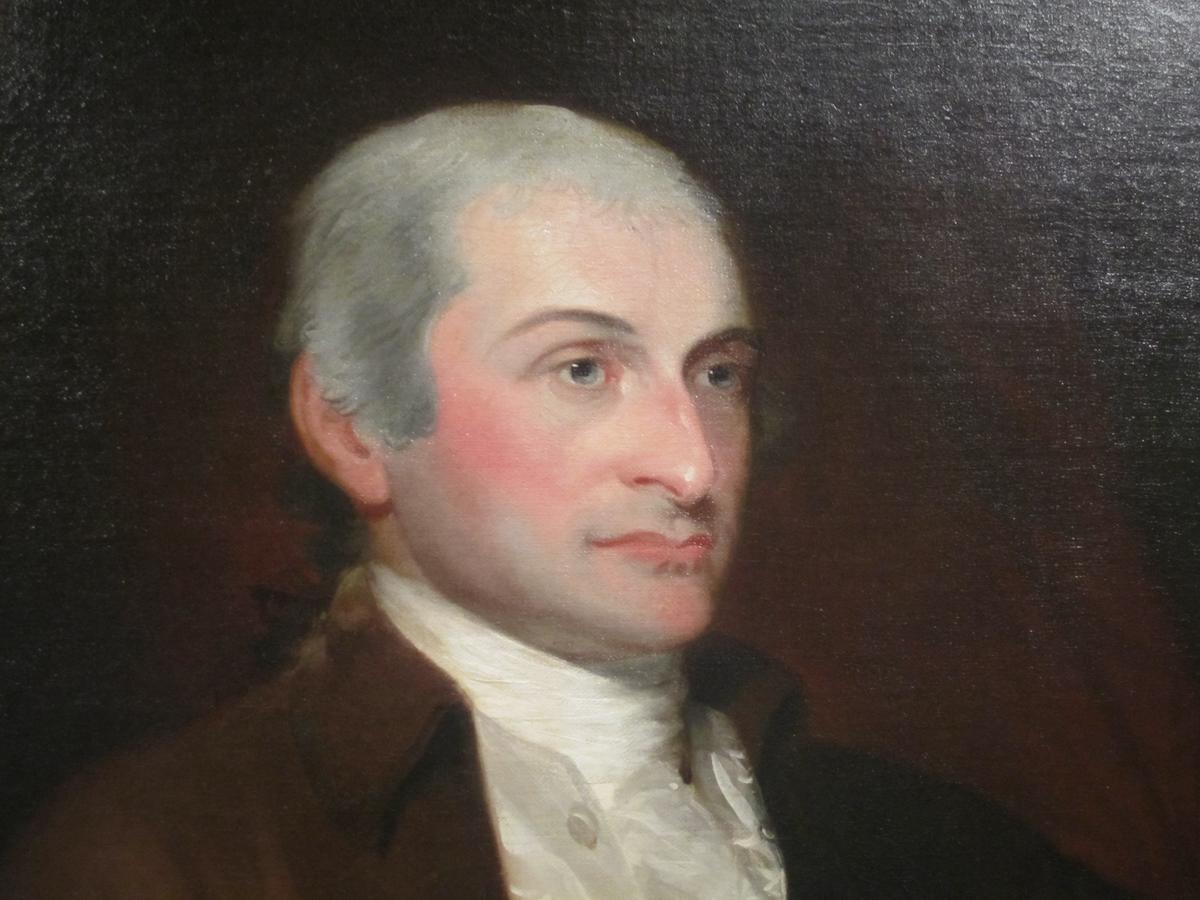
Thomas Paine Childhood
Early Life and Family Background Thomas Paine was born on January 29, 1737, in Thetford, Norfolk, England. His father, Joseph Paine, was a Quaker and a corset maker by trade. Joseph likely impressed upon young Thomas the Quaker values of…
-
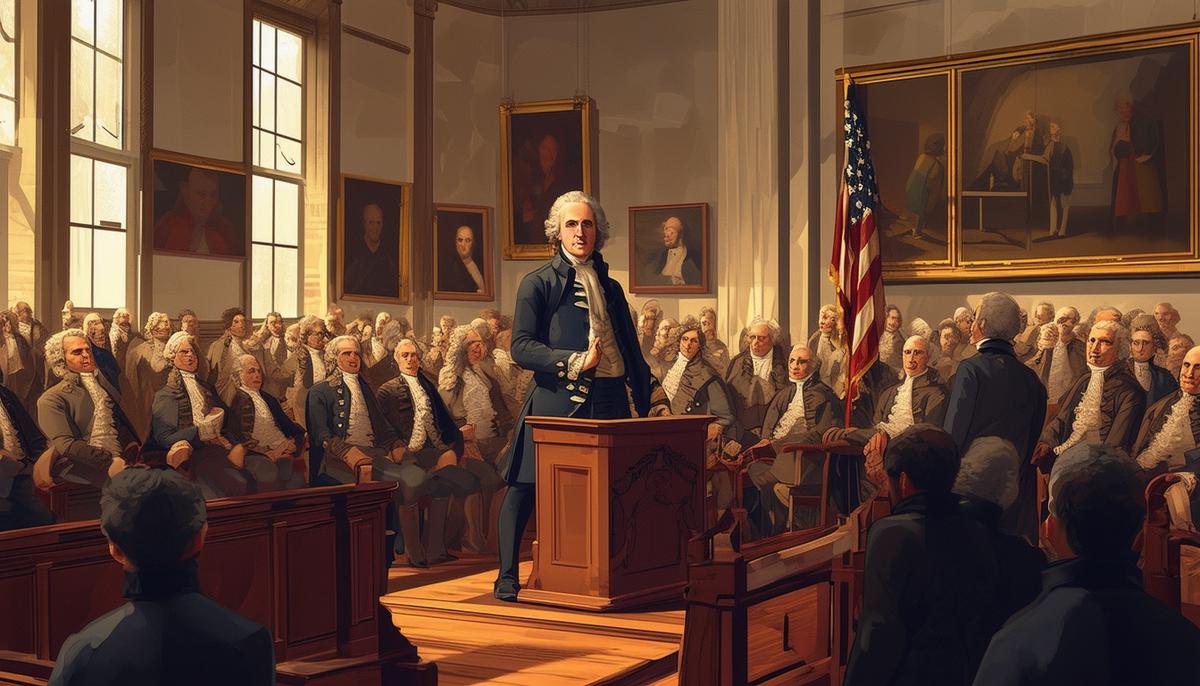
Richard Henry Lee Biography
Early Life and Education Richard Henry Lee was born on January 20, 1732, in Stratford, Virginia, to the wealthy and influential Lee family. Following the early deaths of both his parents during his adolescence, Lee's education was entrusted to the…
-
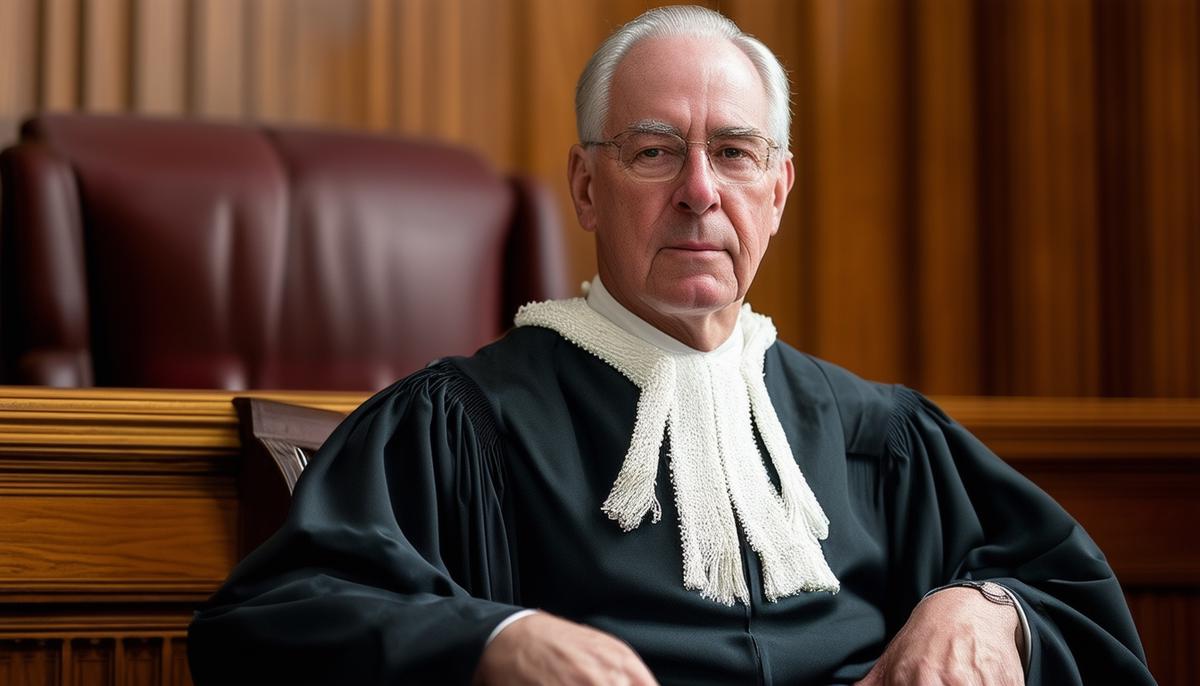
John Marshall Biography
Early Life and Revolutionary War Service John Marshall was born on September 24, 1755, near Germantown, Virginia. As the eldest of 15 children, he experienced a childhood of rugged frontier living which influenced his later views on life and law.…
-
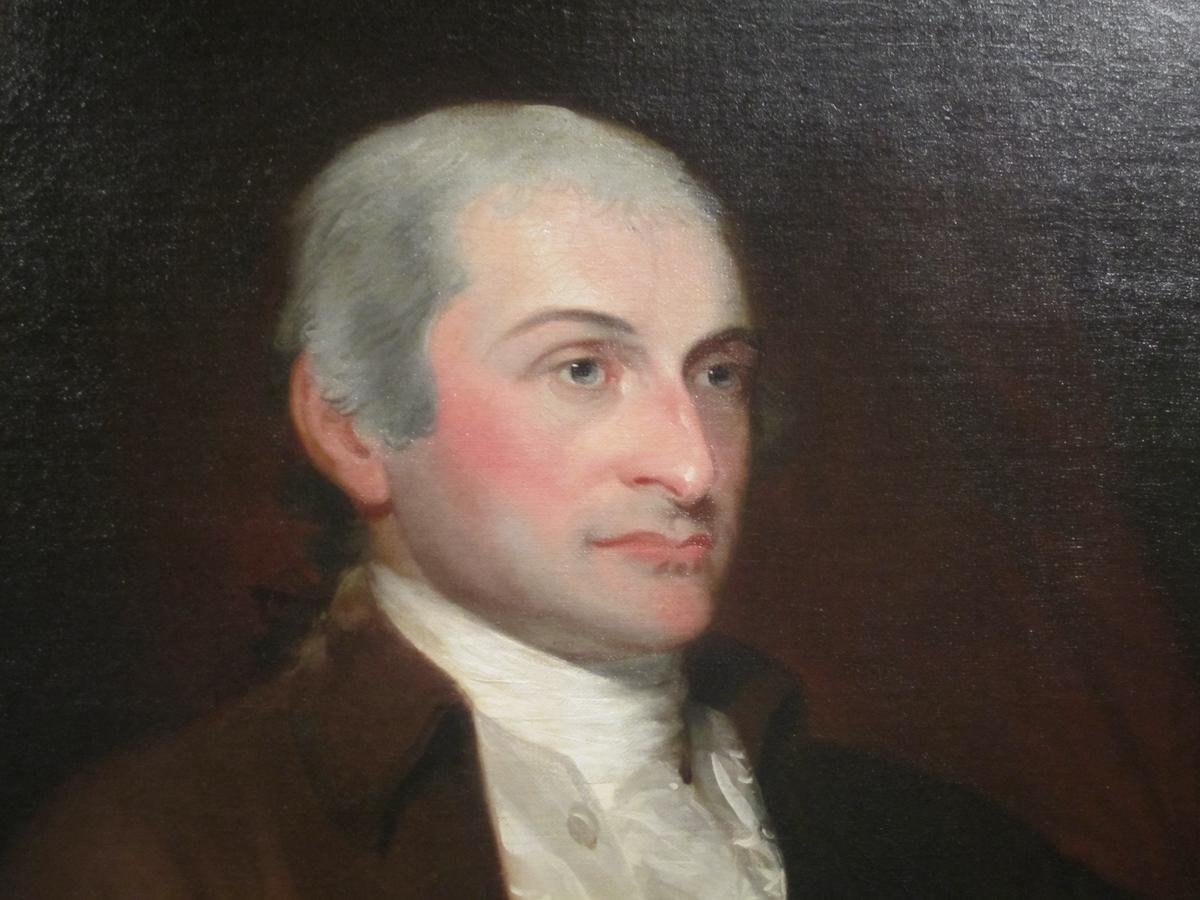
Rufus King Biography
Early Life and Education Rufus King was born on March 24, 1755, in Scarborough, Massachusetts, which would later become part of Maine. His father, a well-to-do merchant and farmer, was known locally for his prosperity and his staunch Loyalist views…
-
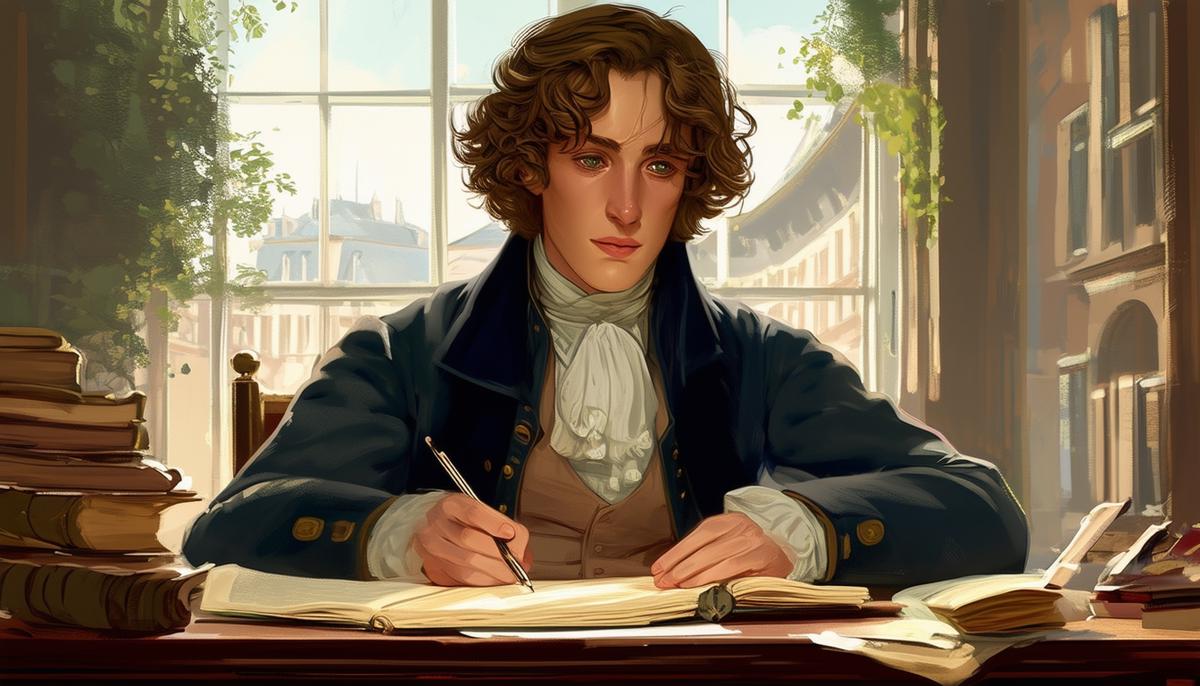
Charles Carroll Biography
Early Life and Education Born on September 19, 1737, in Annapolis, Maryland, Charles Carroll was immersed from birth into a family where Catholic faith and prosperous society intertwined. At age ten, Charles began his schooling at the Jesuit school at…
-
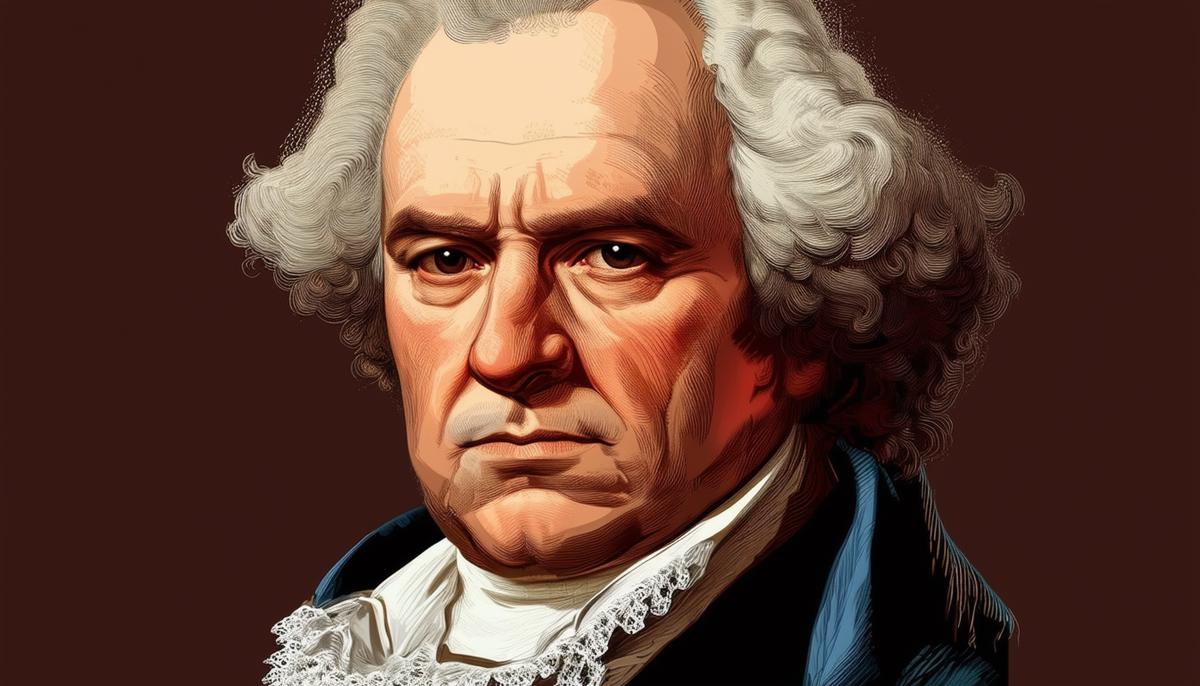
John Adams Childhood
Family Background and Puritan Influence John Adams, born to John Adams Sr. and Susanna Boylston, hailed from a lineage deeply rooted in the Puritan tradition that pervaded Massachusetts in the 18th century. The Adams family commanded respect within their community…
-
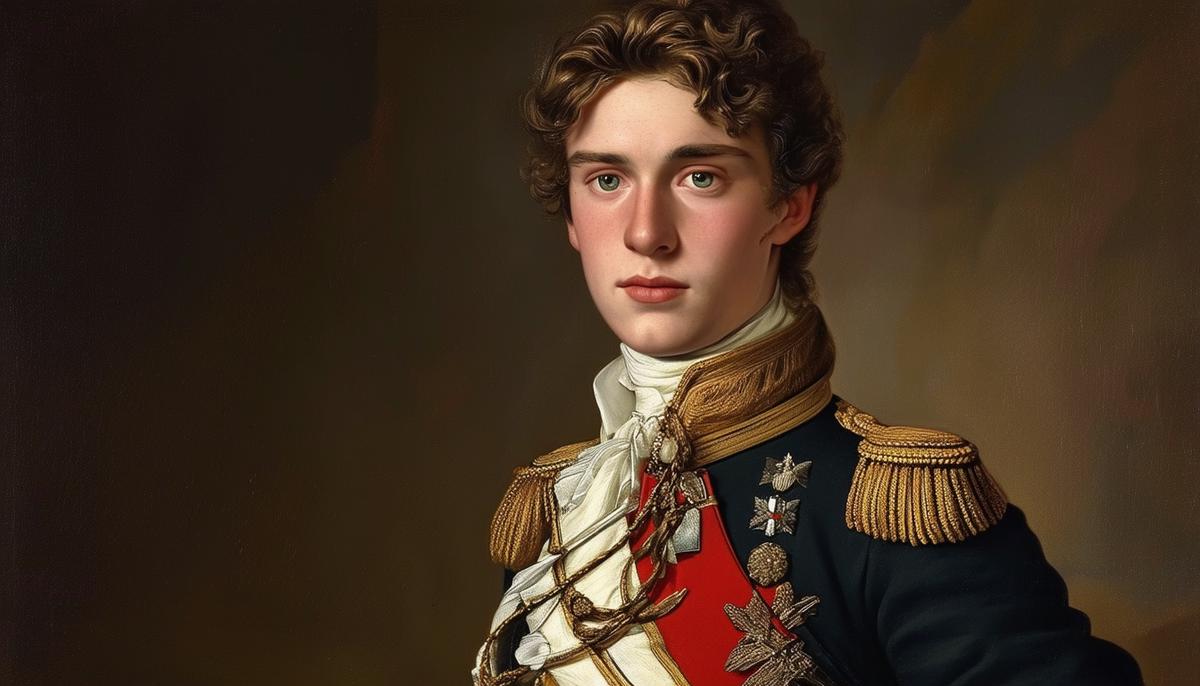
Hamilton’s Early Life
Formative Years in the Caribbean Alexander Hamilton was born in Charlestown, Nevis, an island in the West Indies, between 1755 and 1757. His father, James Hamilton, was a Scottish merchant, and his mother, Rachel Fawcett, was of French Huguenot descent.…
-
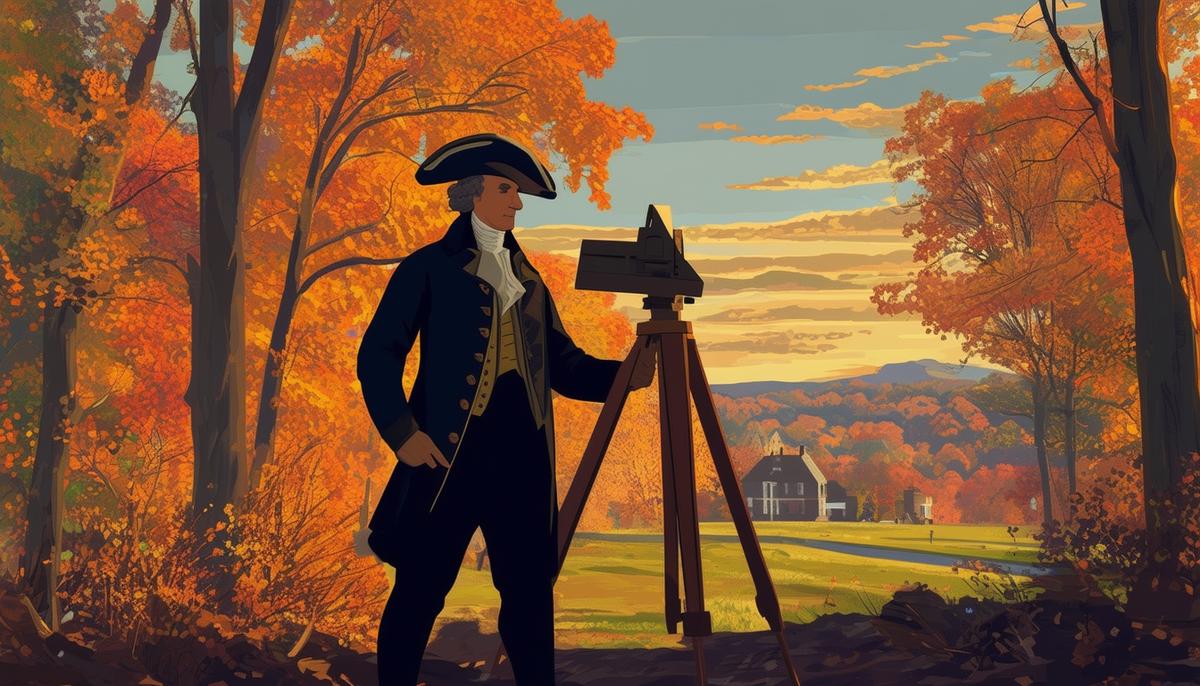
Roger Sherman Childhood
Early Life and Education Roger Sherman was born in Newton, Massachusetts and later lived in Stoughton. Despite sparse formal schooling, he pursued a rigorous self-education with support from his father's well-stocked library. This ignited his intellectual curiosity from a young…
-
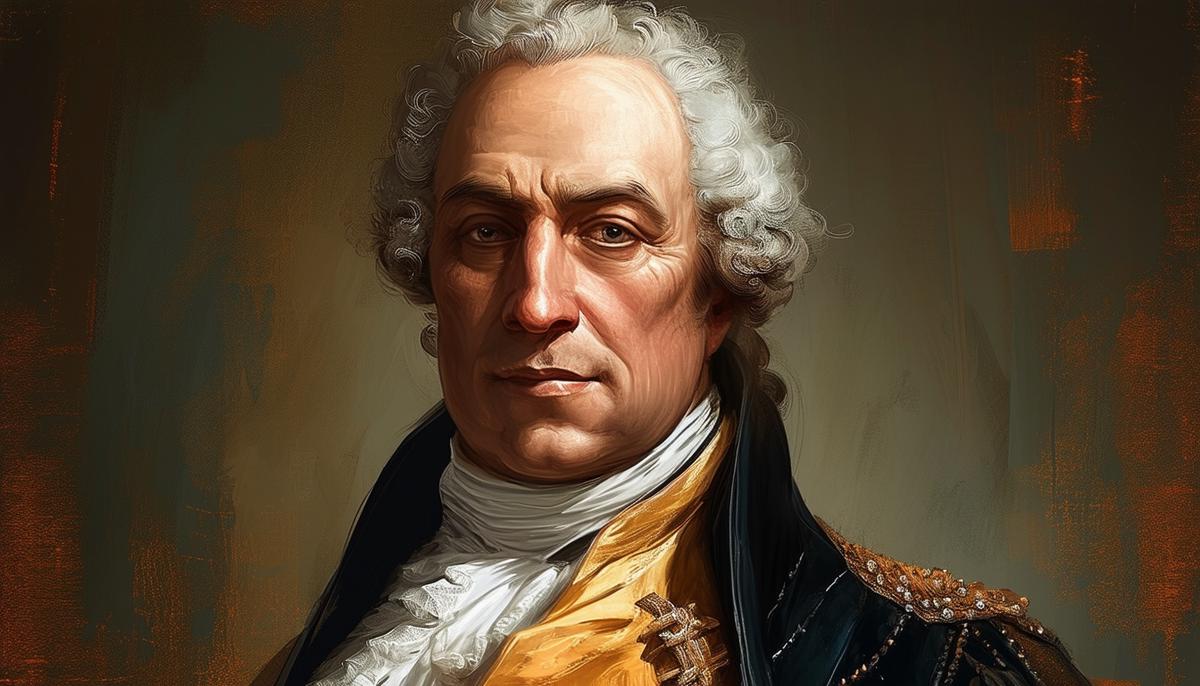
Gouverneur Morris Childhood
Early Life and Education Gouverneur Morris was born in 1752 at Morrisania estate, now part of modern-day Bronx. His father was a judge and his grandfather a colonial governor. Morris enrolled in King's College (present-day Columbia University) at the age…